+968 24600444
 support@khimjiswatches.om





Rolex accessories
Elegant and exclusive cufflinks by Rolex.
These accessories reflect the visual codes of the brand while still meeting
the same high standards in terms of quality and reliability as those of any Rolex watch.
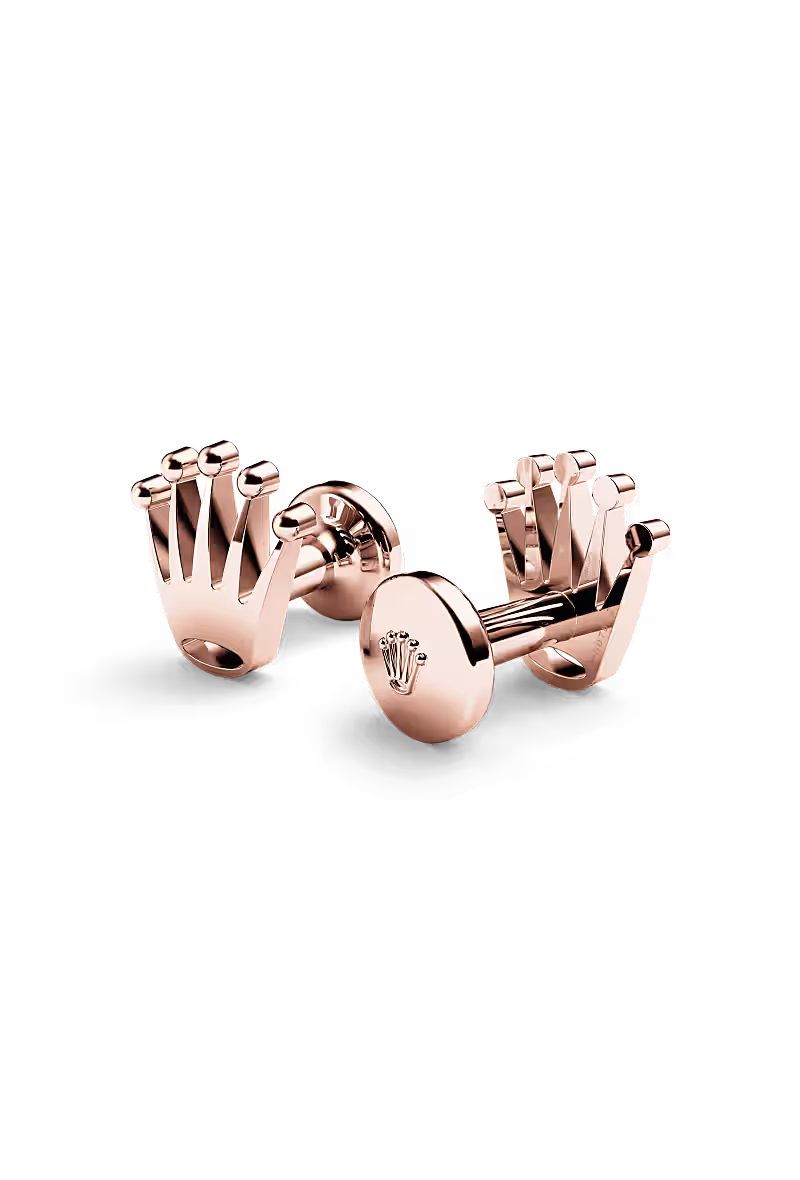
Cufflinks
Elegance on the wrist
Elegance on the wrist
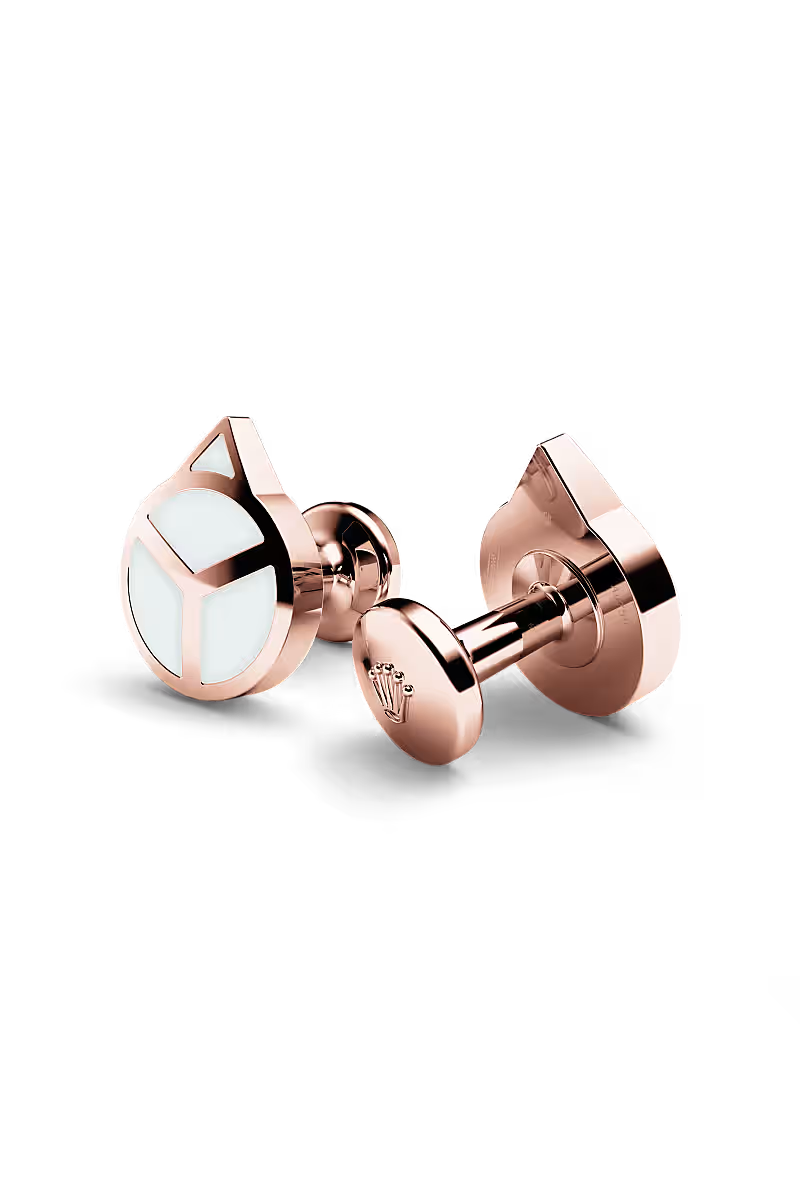
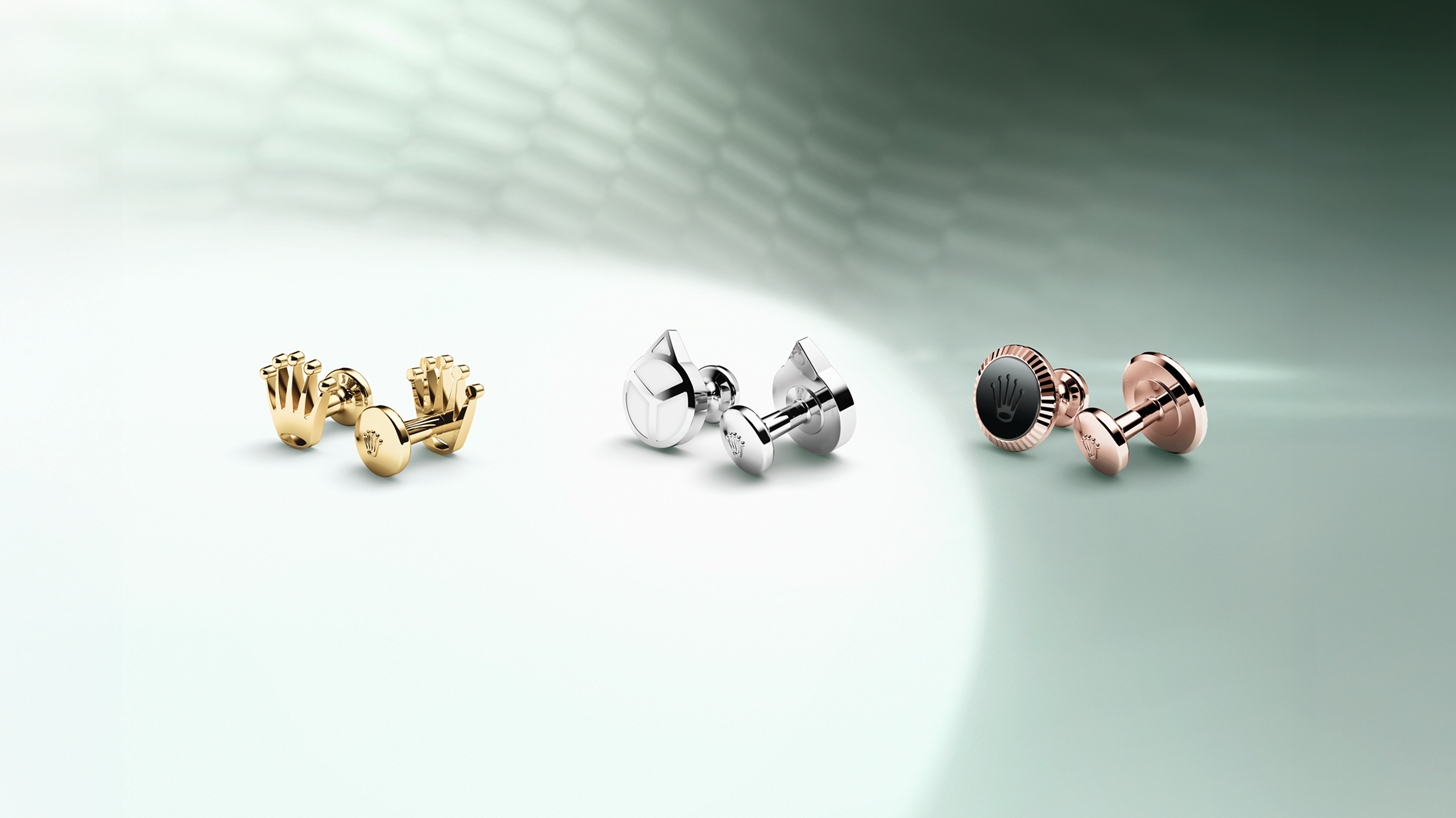
Three cufflinks of discreet, timeless refinement are available, and come in 18 ct yellow, white
or
Everose gold.
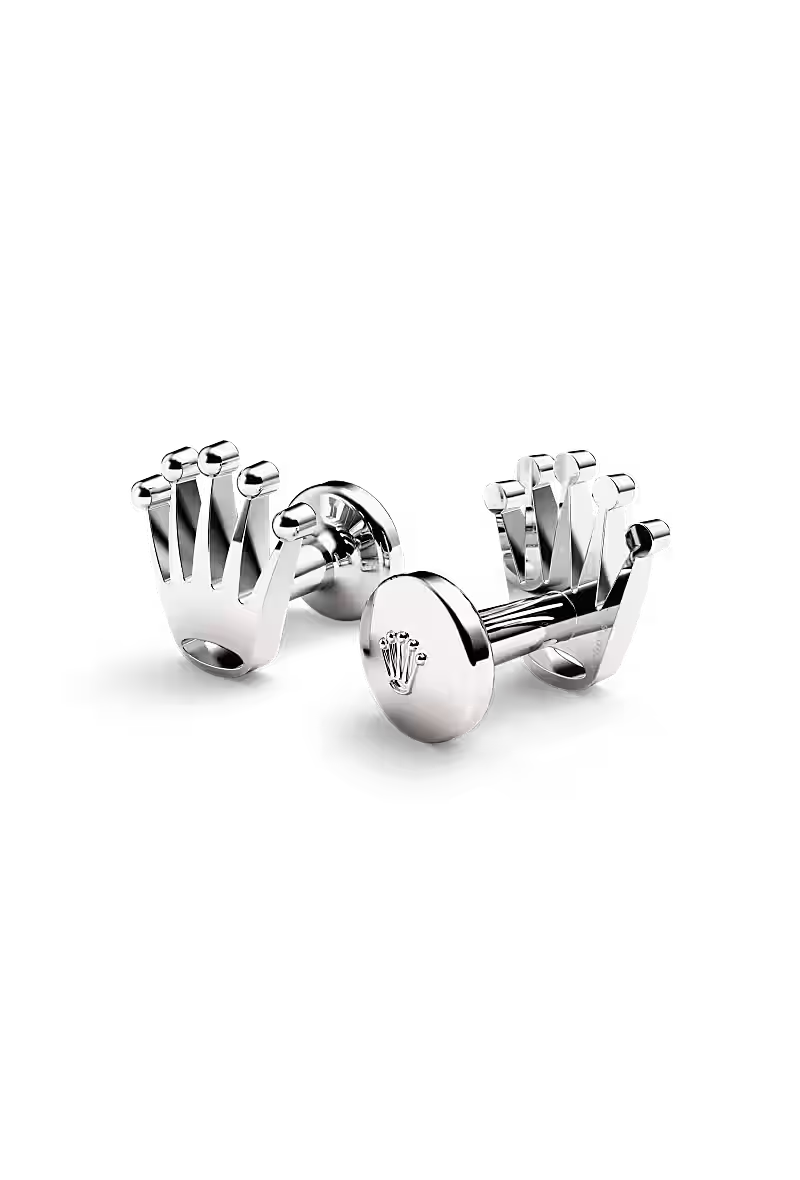
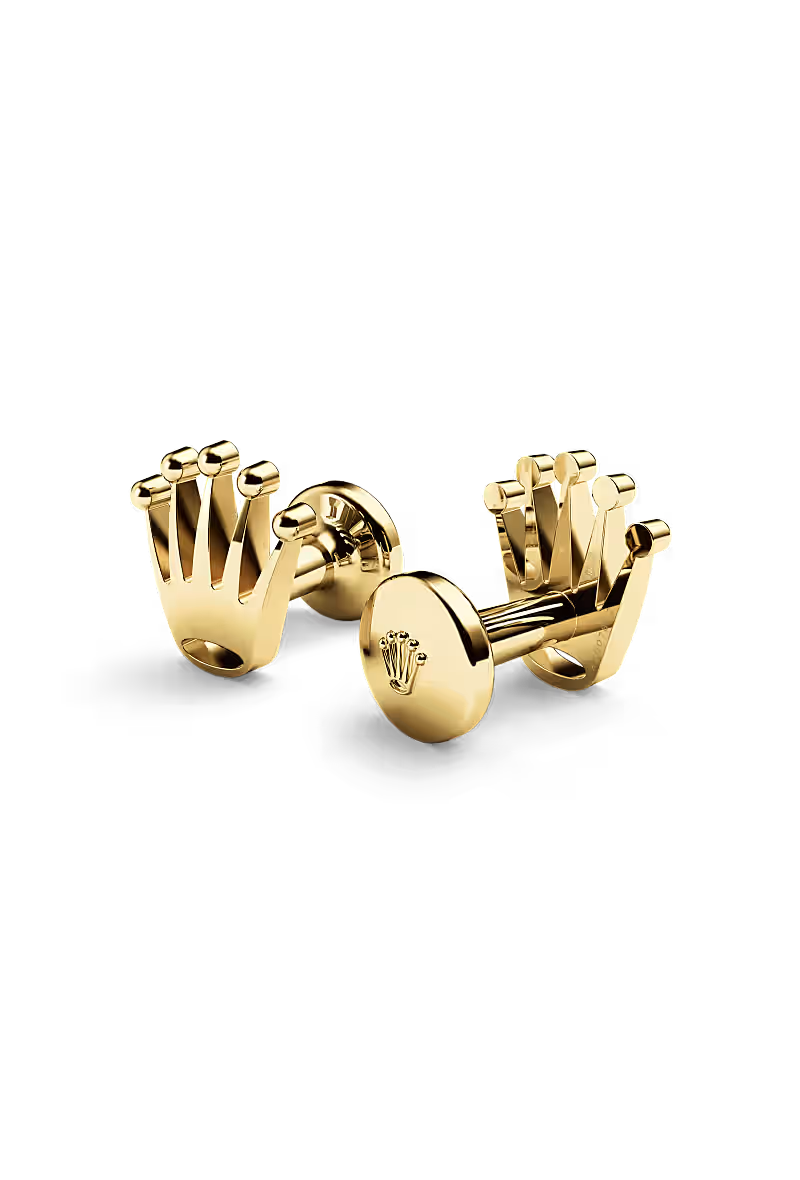
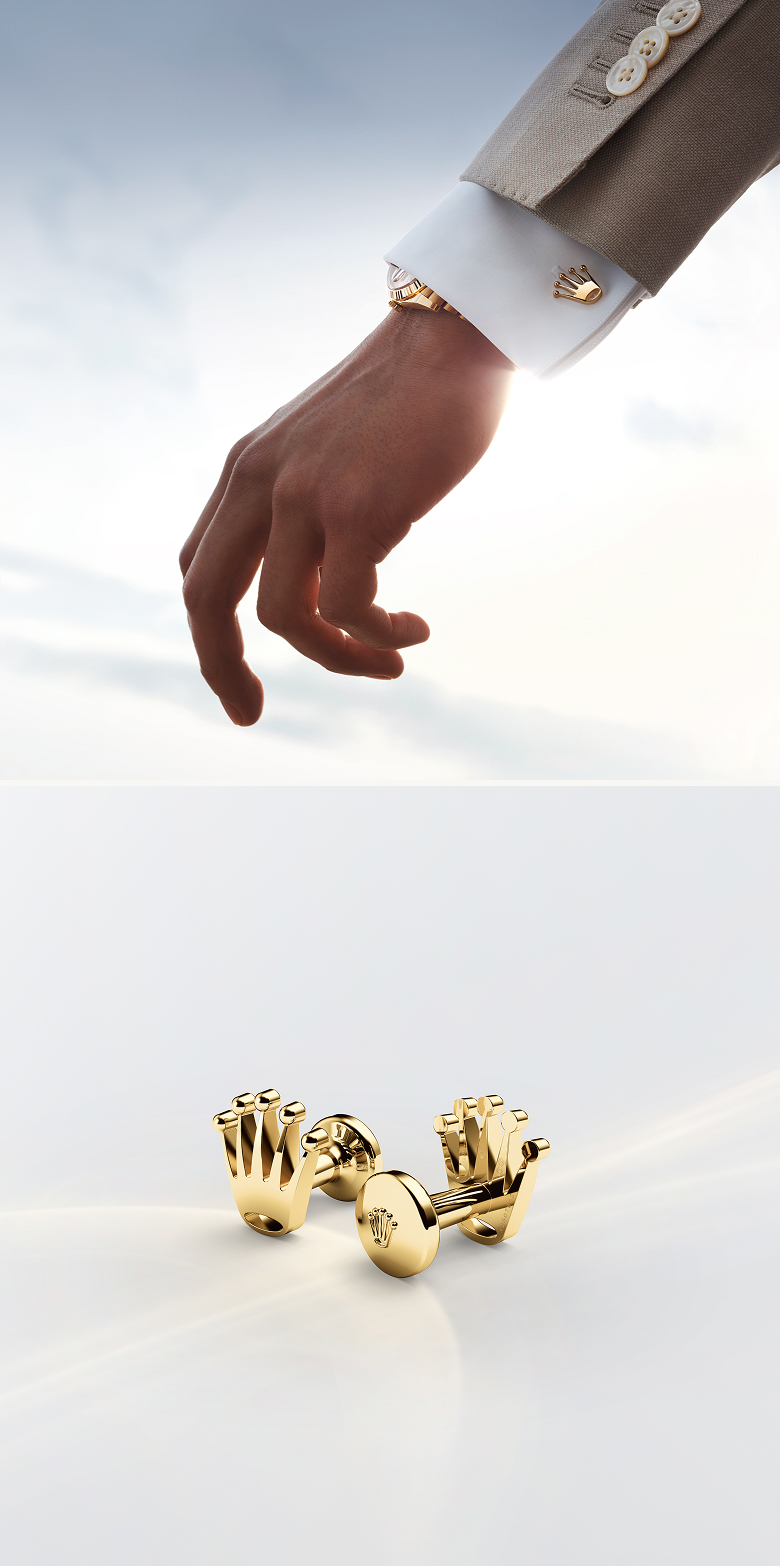
‘Crown’ cufflinks
A symbol to have on hand
A symbol to have on hand
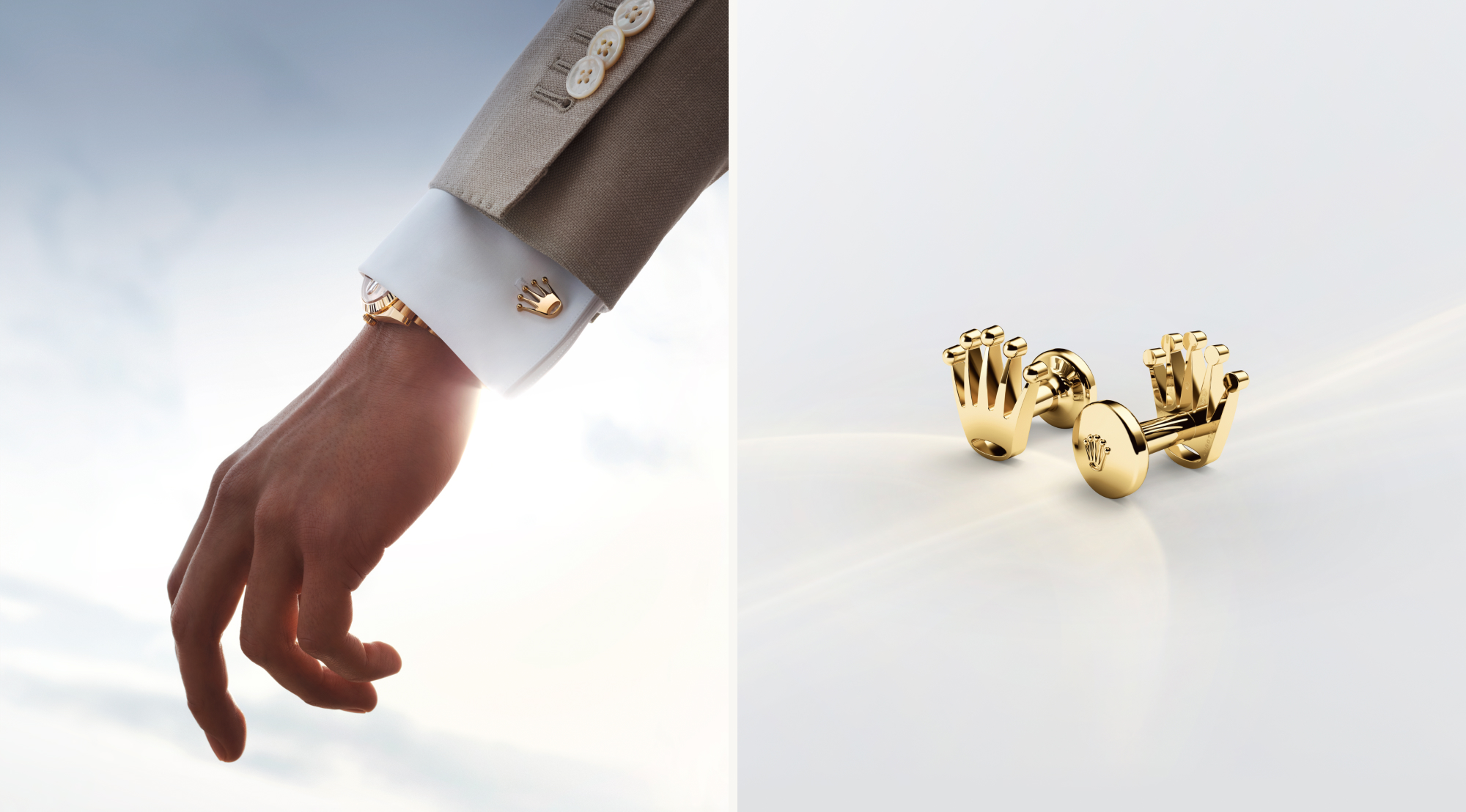
The Rolex logo, a five-pointed crown, can be worn as cufflinks. They add a distinguished touch
to
the wrists of those for whom excellence must be expressed in the finest of details.
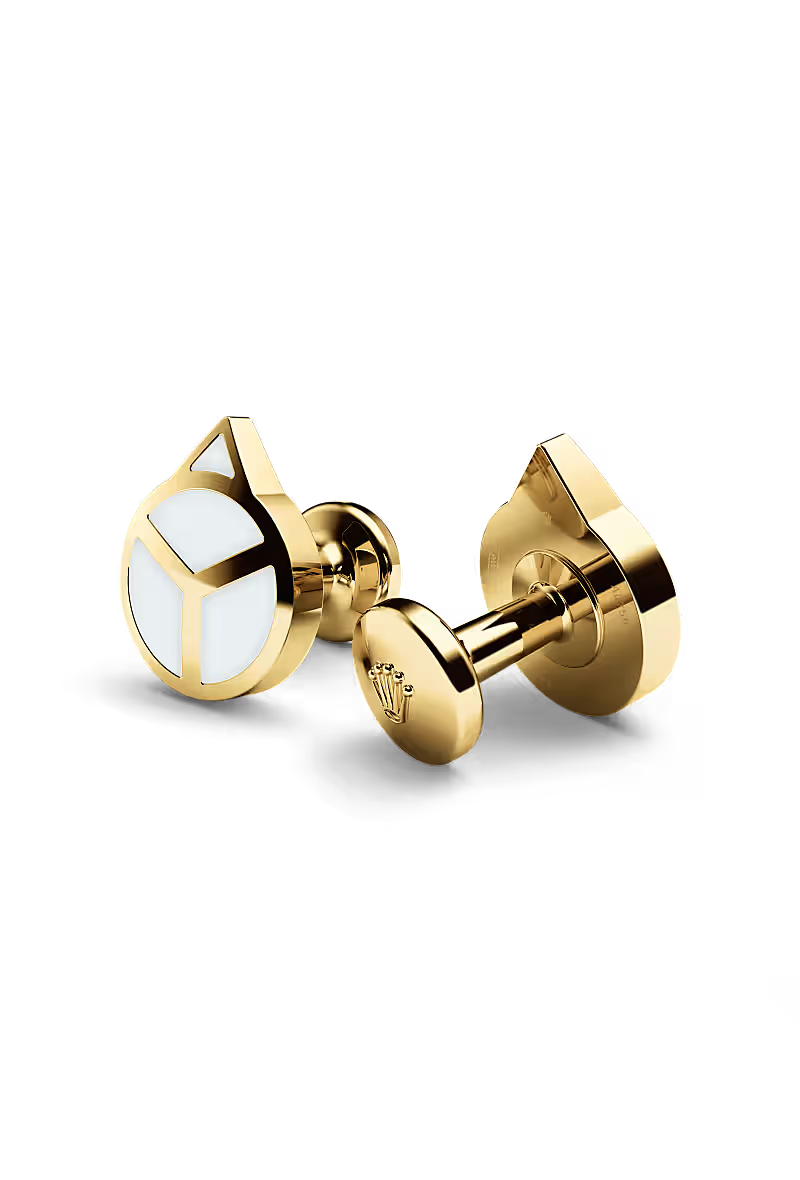
‘Hand’ cufflinks
Always shining
Always shining
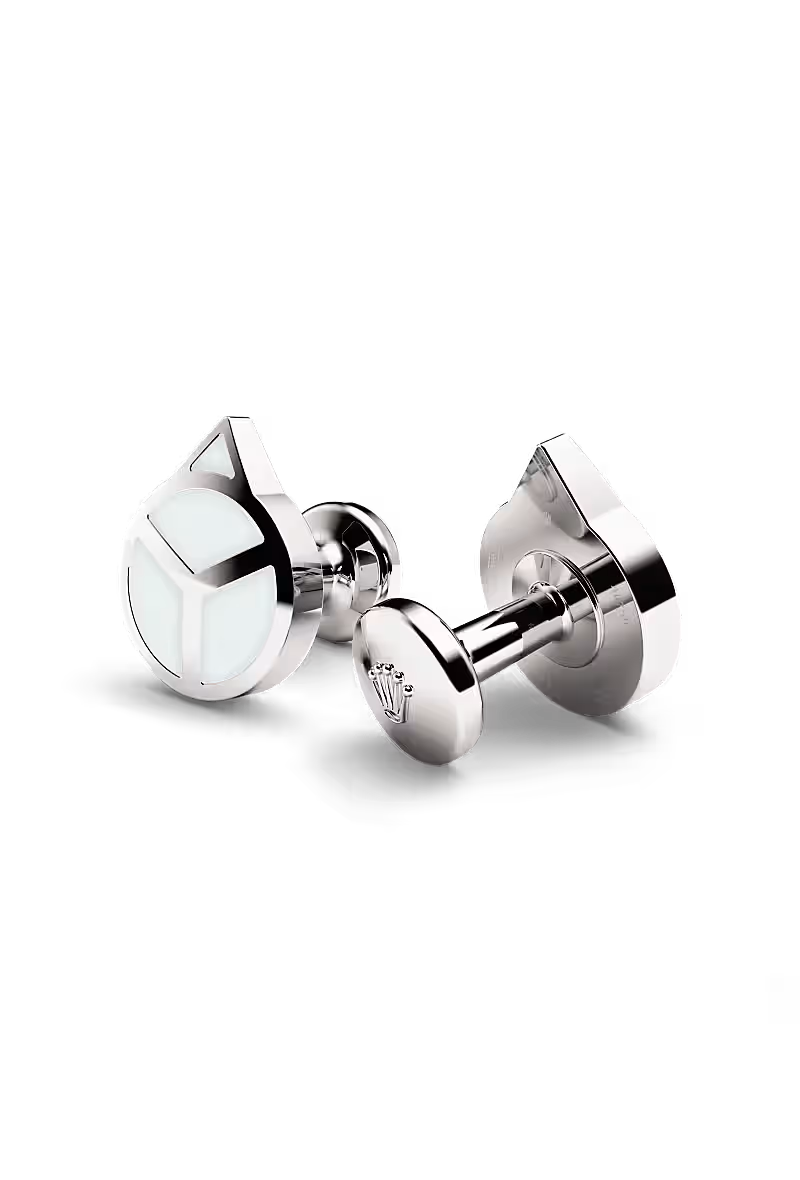
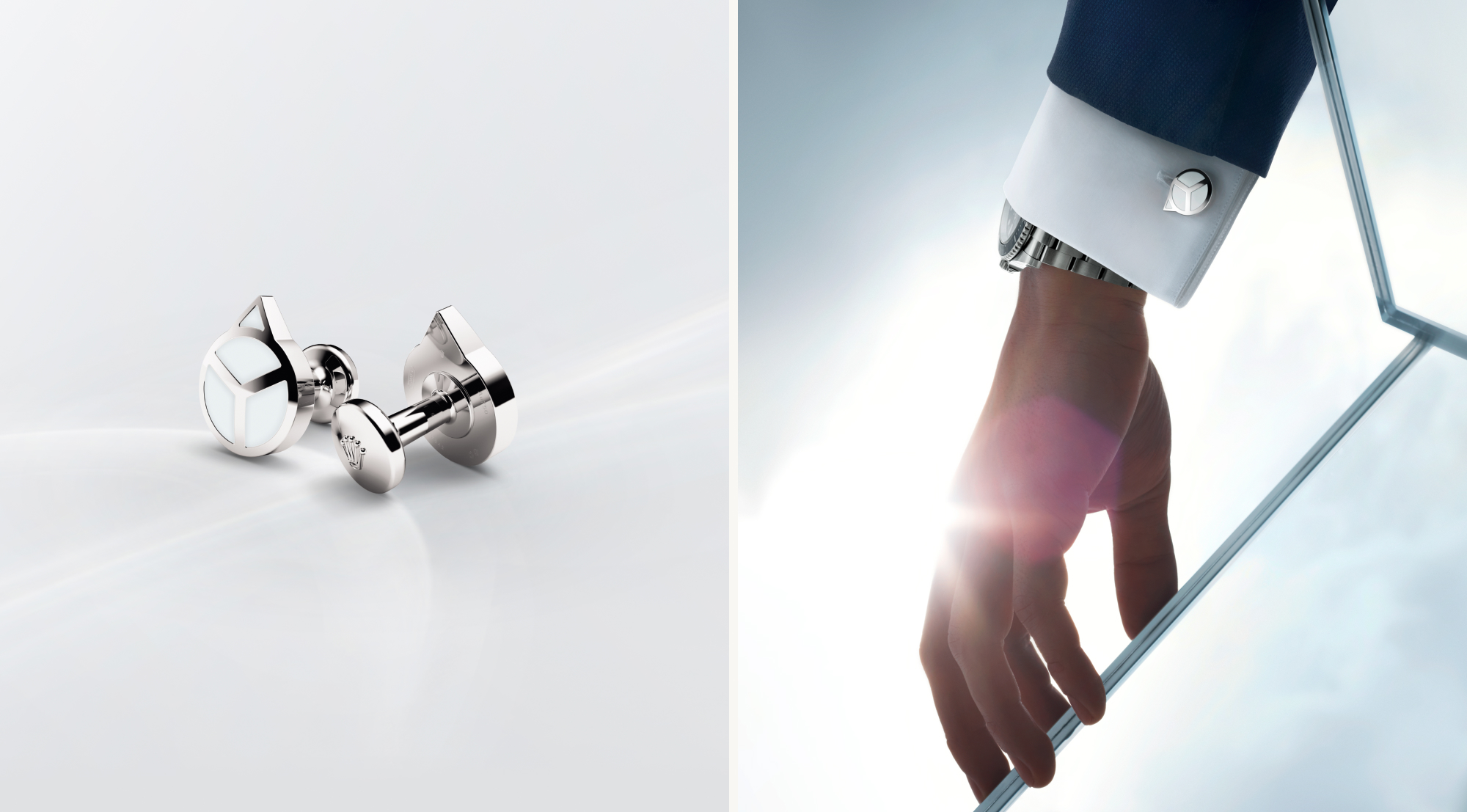
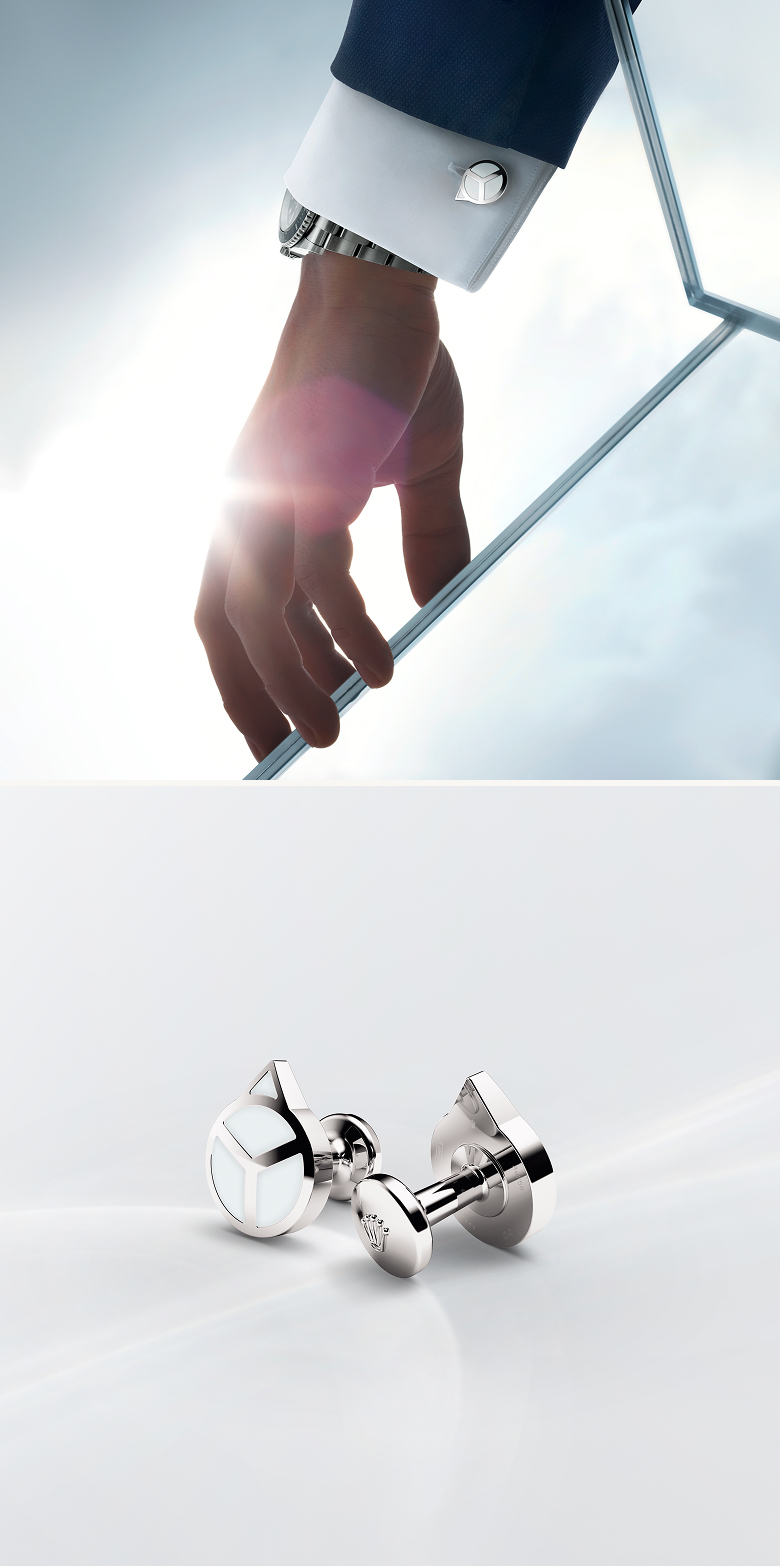
Taking inspiration from the shape of the round disc found on the tips of the hour hands on
Professional Rolex models, these cufflinks glow in the dark owing to their luminescent
material
–
the same that is used on the Chromalight display on Rolex watches.
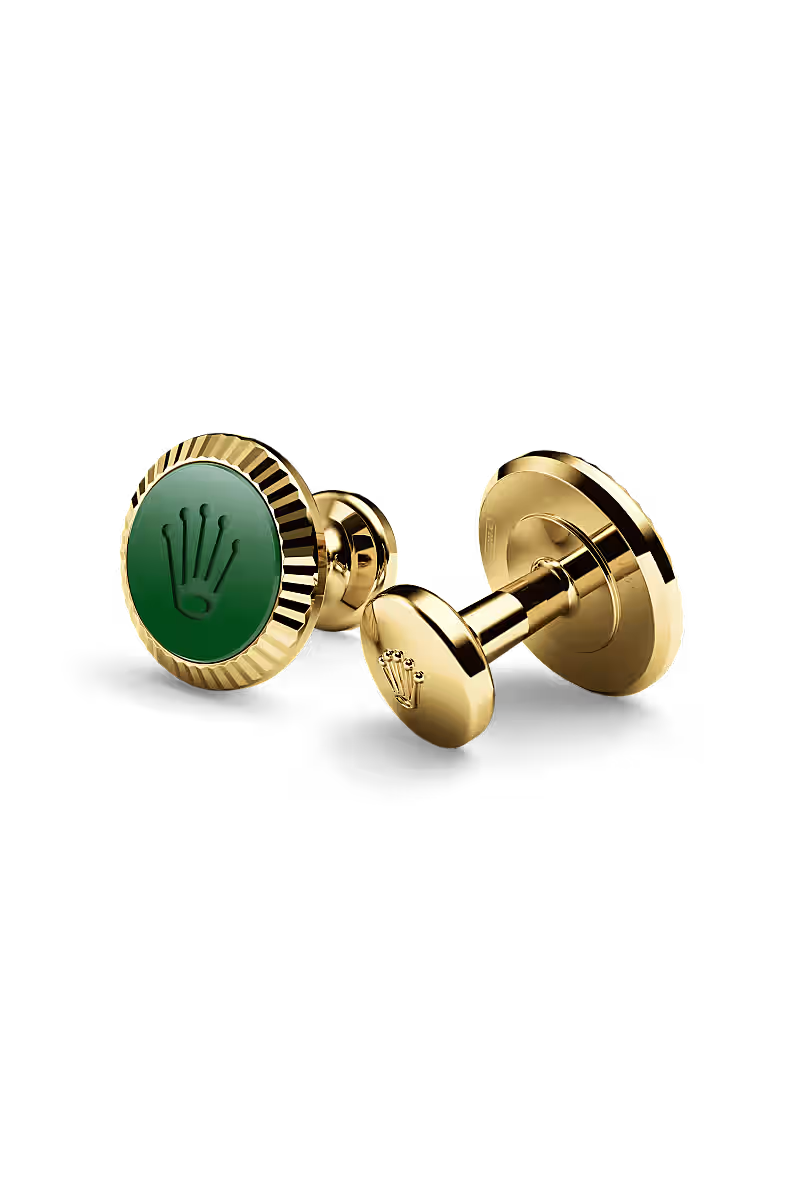
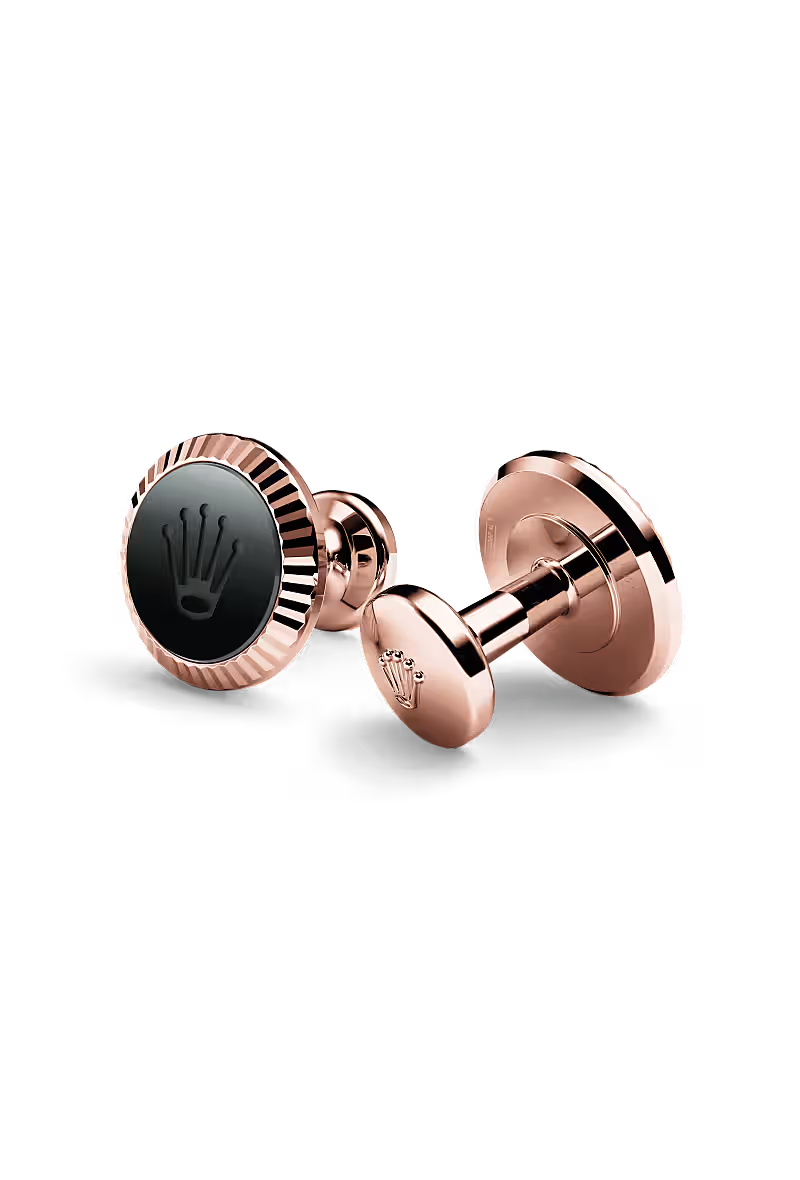
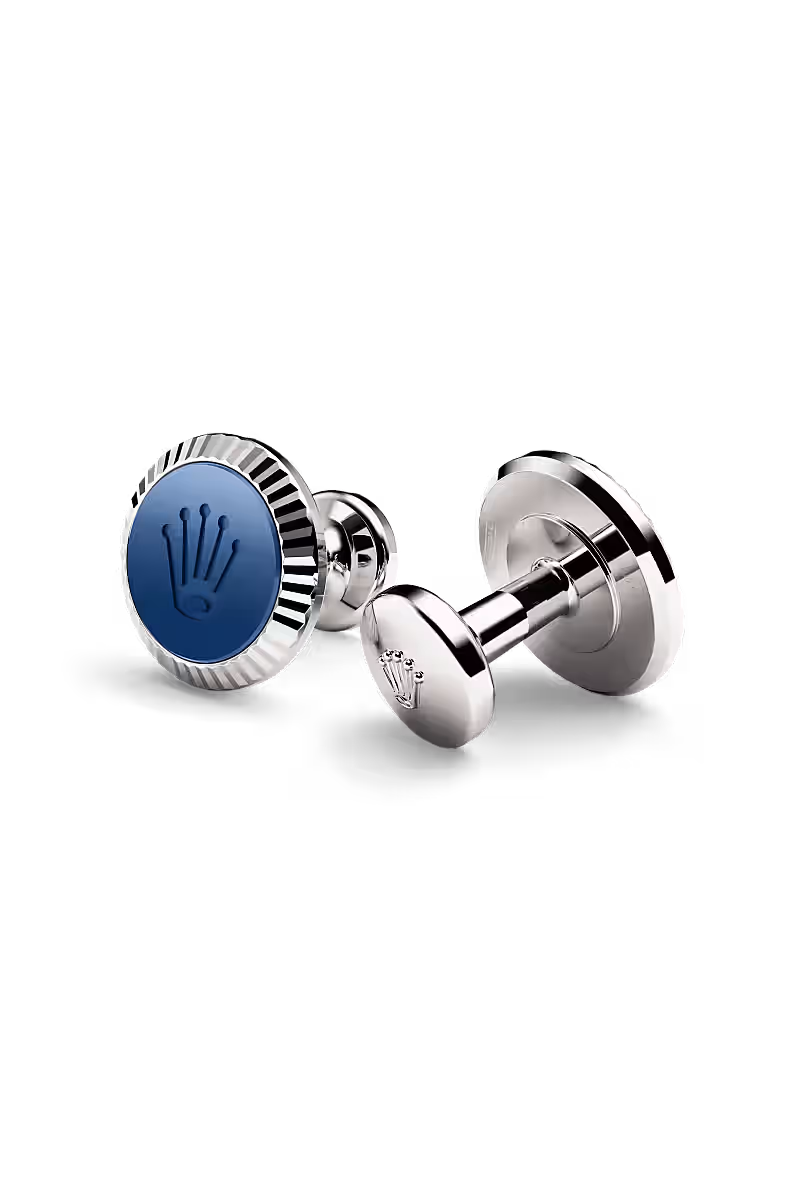
Fluted cufflinks
An iconic aesthetic
An iconic aesthetic
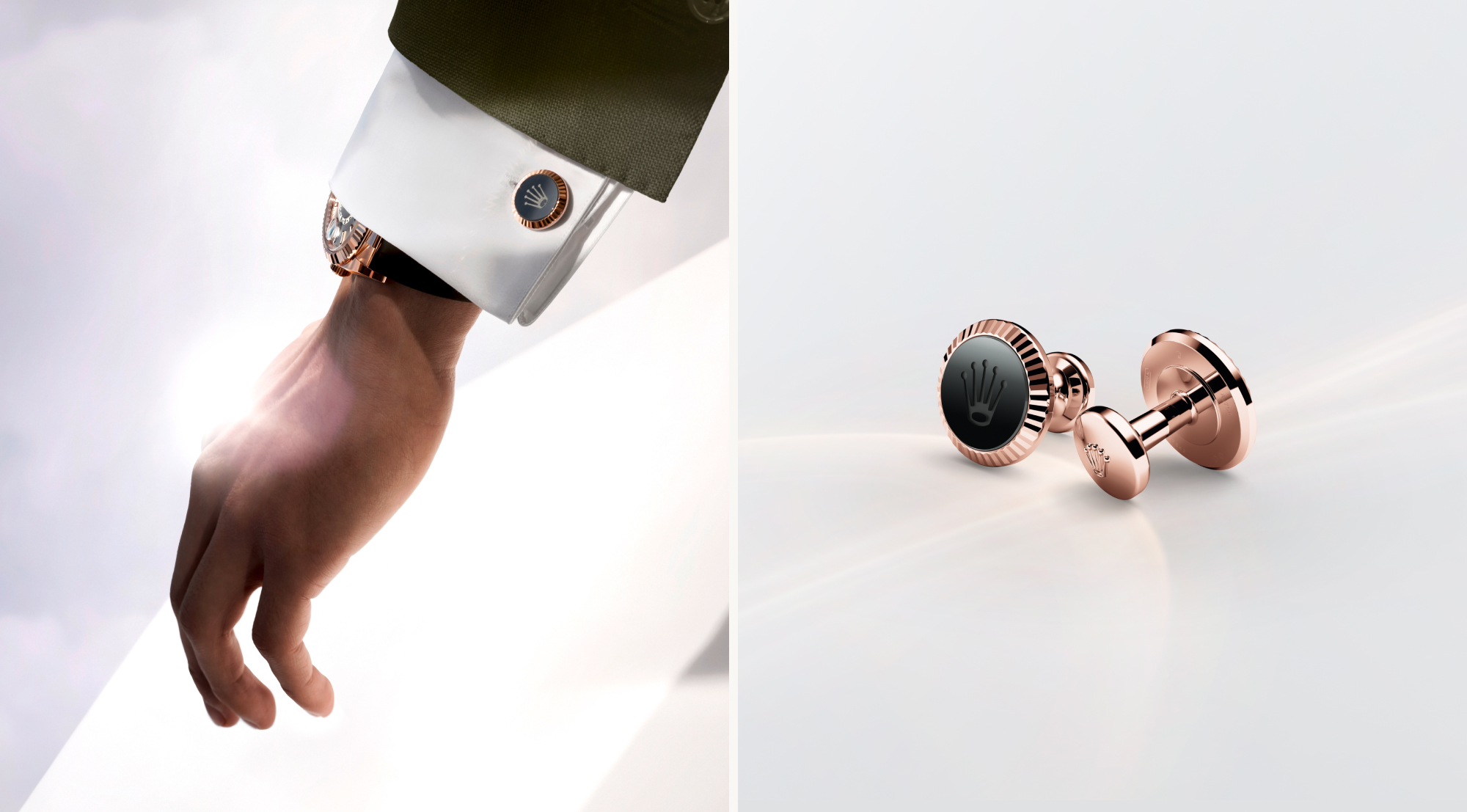
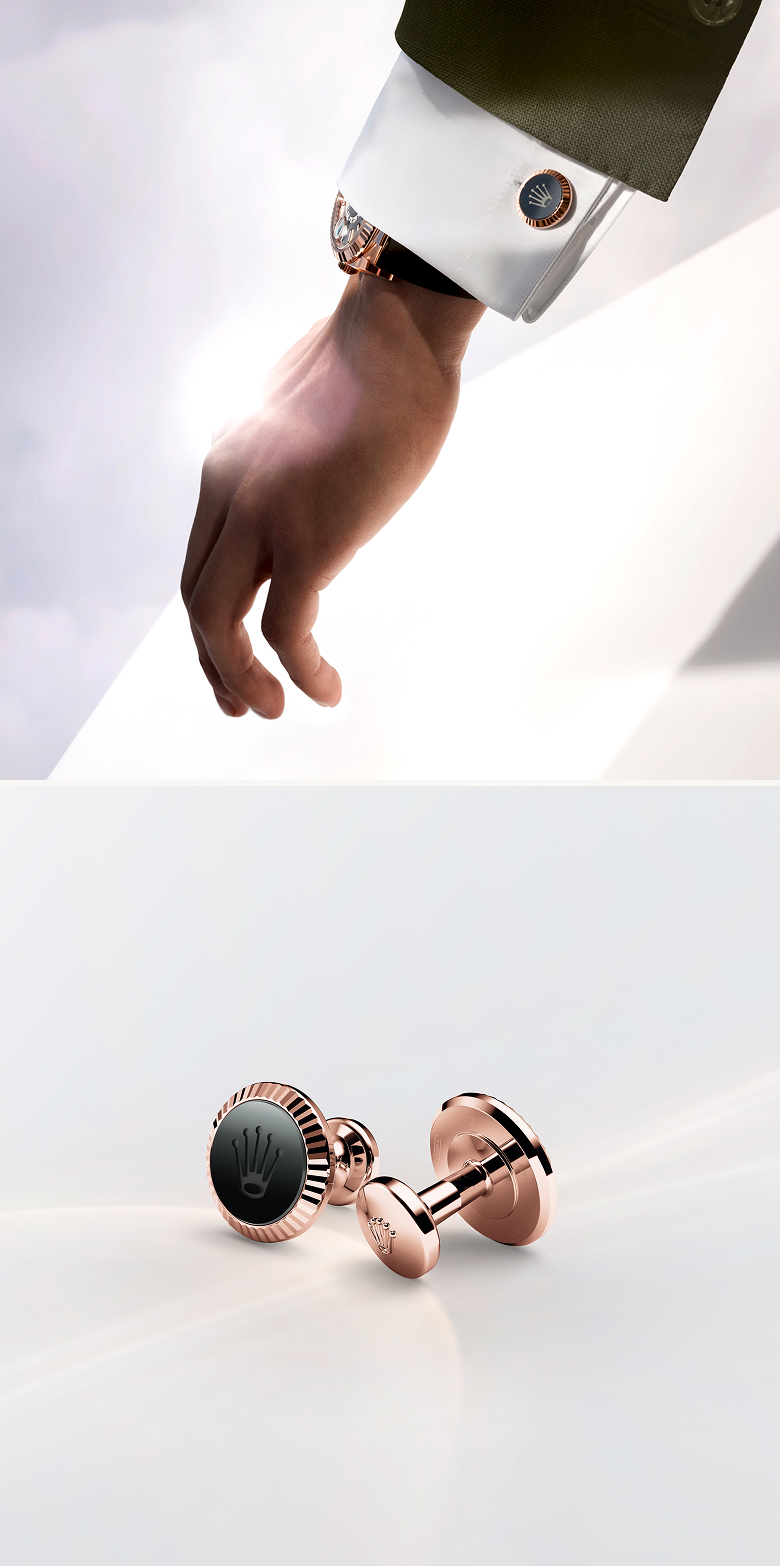
These cufflinks bring together several signature elements of Rolex watches. In the centre, the
five-pointed crown is engraved on a Cerachrom disc in ceramic, which is surrounded by fluting
that
evokes the emblematic bezel seen on Classic Rolex models.
Desk clocks
Indoor time
Indoor time
Directly inspired by the brand’s iconic models, the desk clocks reinterpret the aesthetic of
Rolex
watches for an indoor setting using in-house expertise.
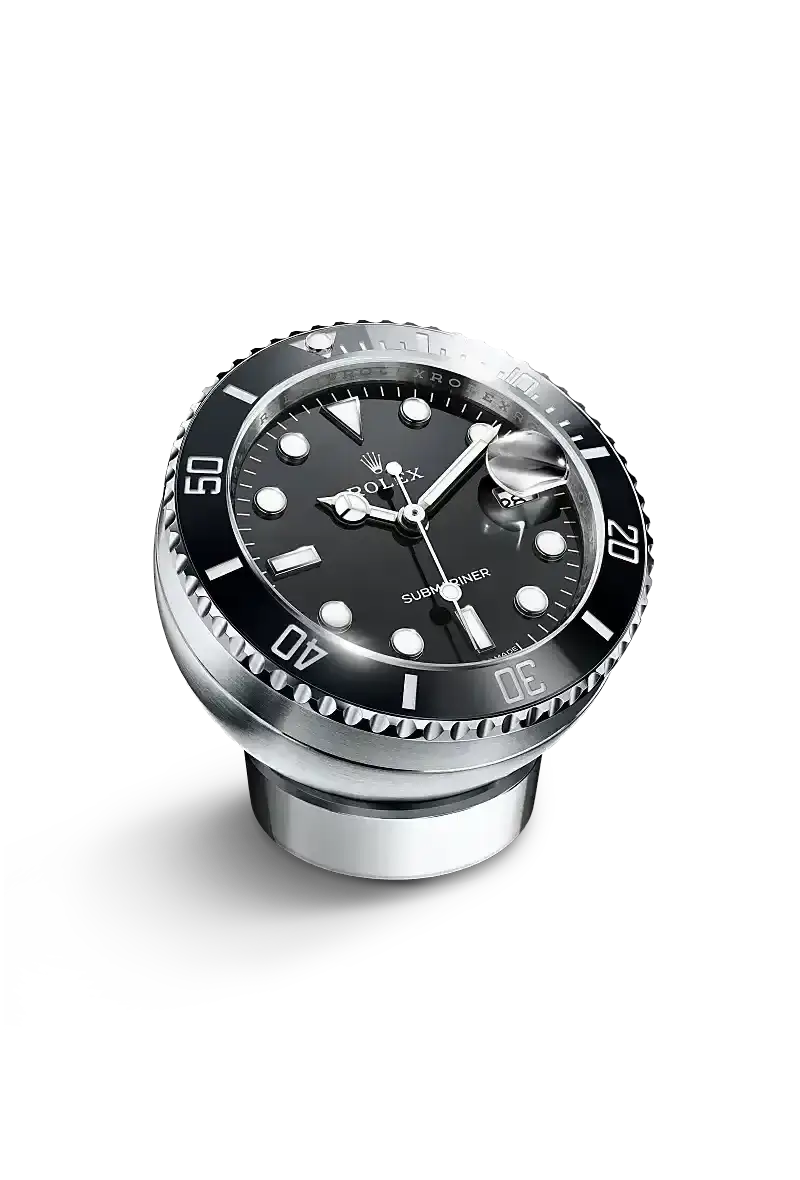
Calendar clock
Honouring the Submariner
Honouring the Submariner
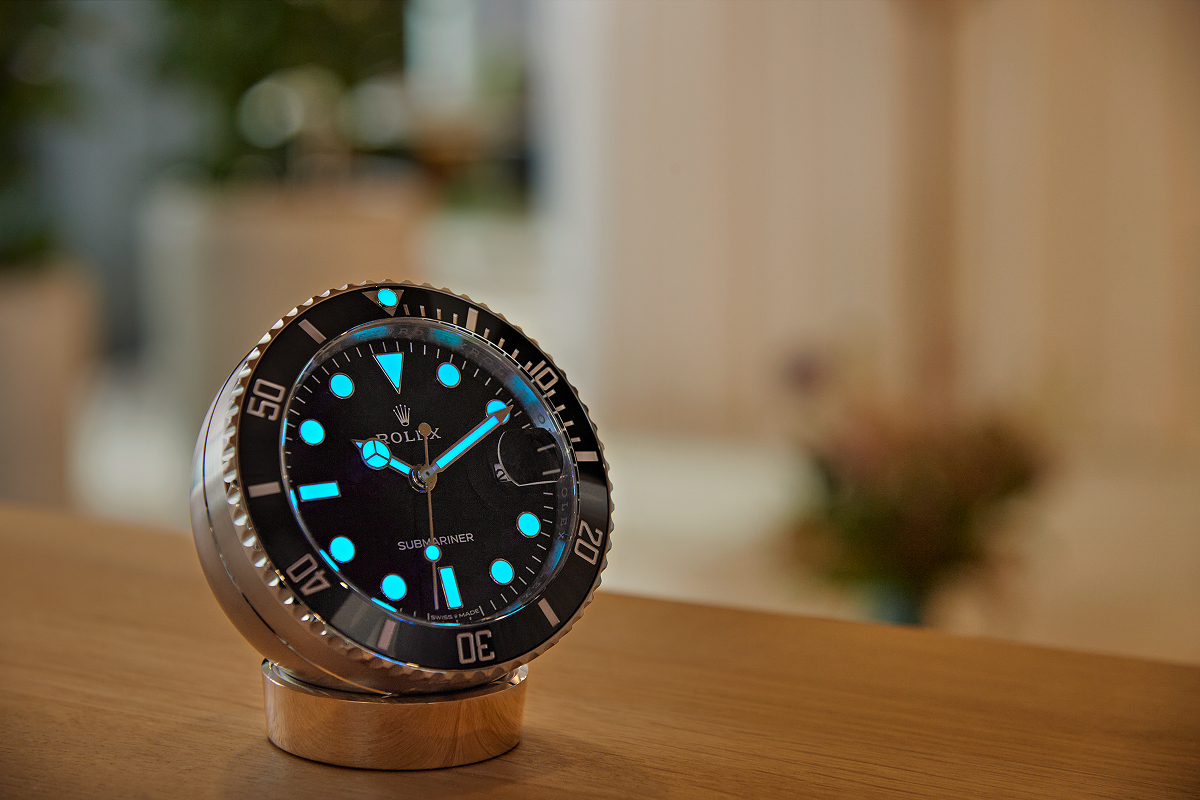
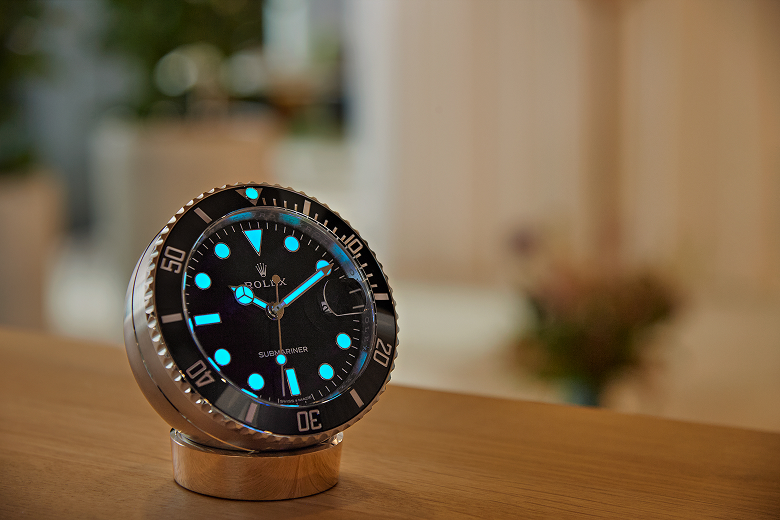
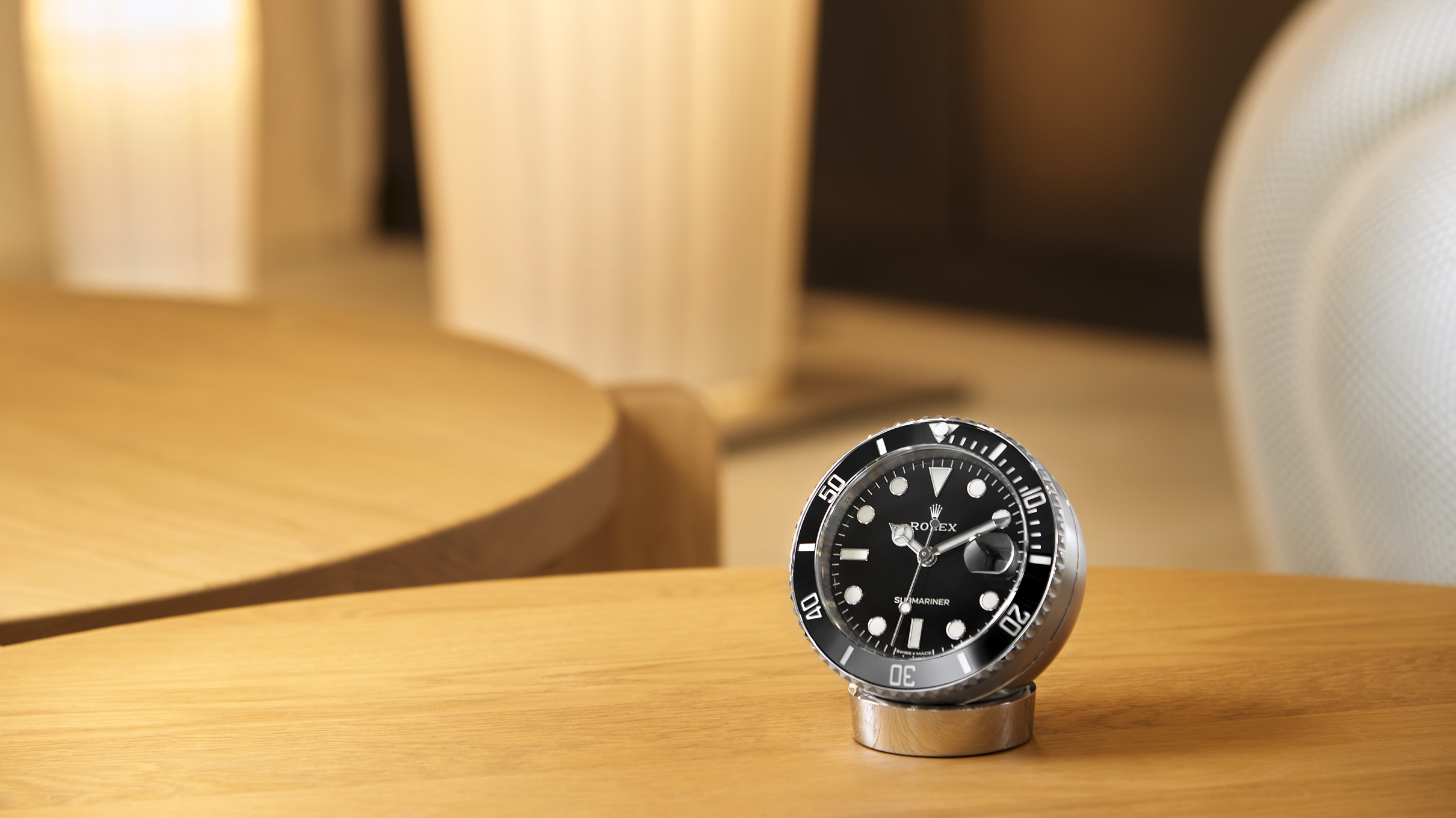
This Rolex desk clock with a secular calendar faithfully revisits the design of the Submariner
Date.
It displays the time and date with a 60-minute graduated monobloc Cerachrom bezel insert as well
as
a Chromalight display that emits an intense blue glow in the dark.
Its hemispherical stainless steel case sits atop a ring-shaped base that
allows
the object to be orientated in any direction.
It is powered by a quartz movement that incorporates a secular calendar.
This
mechanism automatically adjusts for months with 28, 30 or 31 days, recognizes leap years – when
February has 29 days – and even accounts for rare exceptions that are not leap years.